
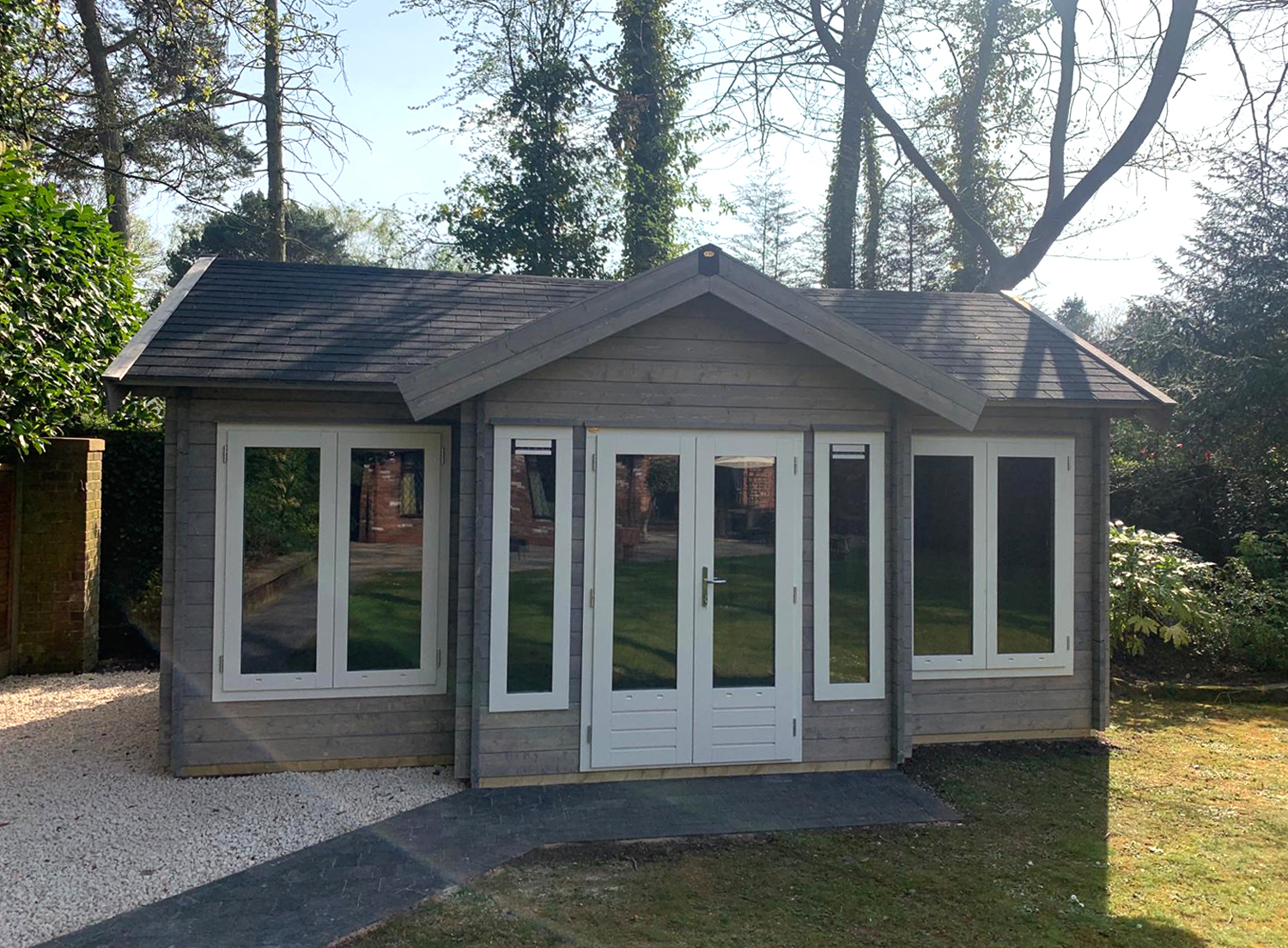
If you want some extra space at home, there’s a chance you’ve already asked yourself the question: should I build a garden room or invest in a house extension? Both options can give you more usable living space, but they work in very different ways.
A house extension increases your internal footprint and becomes part of the main property, while a garden room creates a separate space within your garden for work, relaxing, hobbies or entertaining.
So when comparing a garden room vs house extension, which comes out on top? The answer depends on your budget, timeline, available space and how you plan to use it.
Cost: Which Option Gives Better Value?
For many homeowners, cost is the starting point.
House extensions can become significant building projects involving foundations, structural work, utilities, internal finishes and potential professional fees. Costs can increase further depending on access, layout changes and specification.
Garden rooms are often seen as a more controlled investment because they are self-contained spaces with fewer structural changes to the existing property. Depending on size and specification, installation can often be more predictable from a budgeting perspective.
If your priority is creating additional usable space while keeping disruption and project complexity lower, a garden room can become an attractive alternative.
Planning Permission: Which Is Simpler?
Planning considerations can influence the decision just as much as cost.
Many house extensions require planning assessment depending on scale and design, although some projects qualify under permitted development.
Garden rooms can often be installed under permitted development rights when they meet restrictions around height, position and intended use. This can make the process feel more straightforward for many homeowners.
Of course, every property is different and local restrictions should always be checked before committing.
Timescales: How Quickly Do You Need the Space?
One of the biggest differences is how long each option typically takes.
House extensions often involve multiple stages including approvals, groundwork, construction, internal works and finishing.
Garden rooms are generally manufactured and installed as standalone structures, which can reduce overall construction time depending on complexity and site conditions.
If you need a dedicated workspace or additional room sooner rather than later, this shorter route can make a noticeable difference.
Disruption to Everyday Life
This is an area people sometimes underestimate.
An extension usually means building work attached directly to the house, with contractors accessing internal areas, noise, dust and temporary changes to how you use your home.
A garden room keeps construction separate from your main living areas.
For homeowners working remotely, managing family life or simply wanting to avoid prolonged disruption, this separation can be a major advantage.
Flexibility: How Will You Use the Space?
A house extension becomes part of your home’s internal layout, which works well if you need:
- A larger kitchen
- Additional living space
- Extra bedrooms
- A bigger open-plan area
A garden room offers a different type of flexibility.
Popular uses include:
- Home offices
- Home gyms
- Creative studios
- Garden bars
- Guest spaces
- Quiet reading rooms
- Entertainment areas
Because the space is physically separate, many people find it easier to create boundaries between work and home life.
Does a Garden Room Add Value to Your Home?
A common question homeowners ask is whether a garden room adds value to home.
There is no guaranteed increase in value, as this depends on location, quality, market conditions and how the space complements the property.
However, additional usable space and flexible working environments have become increasingly attractive features for buyers in recent years. A well-designed garden room can improve appeal and usability for future purchasers.
Value should also be measured in everyday use – whether the space improves how you live now as well as potential resale appeal later.